

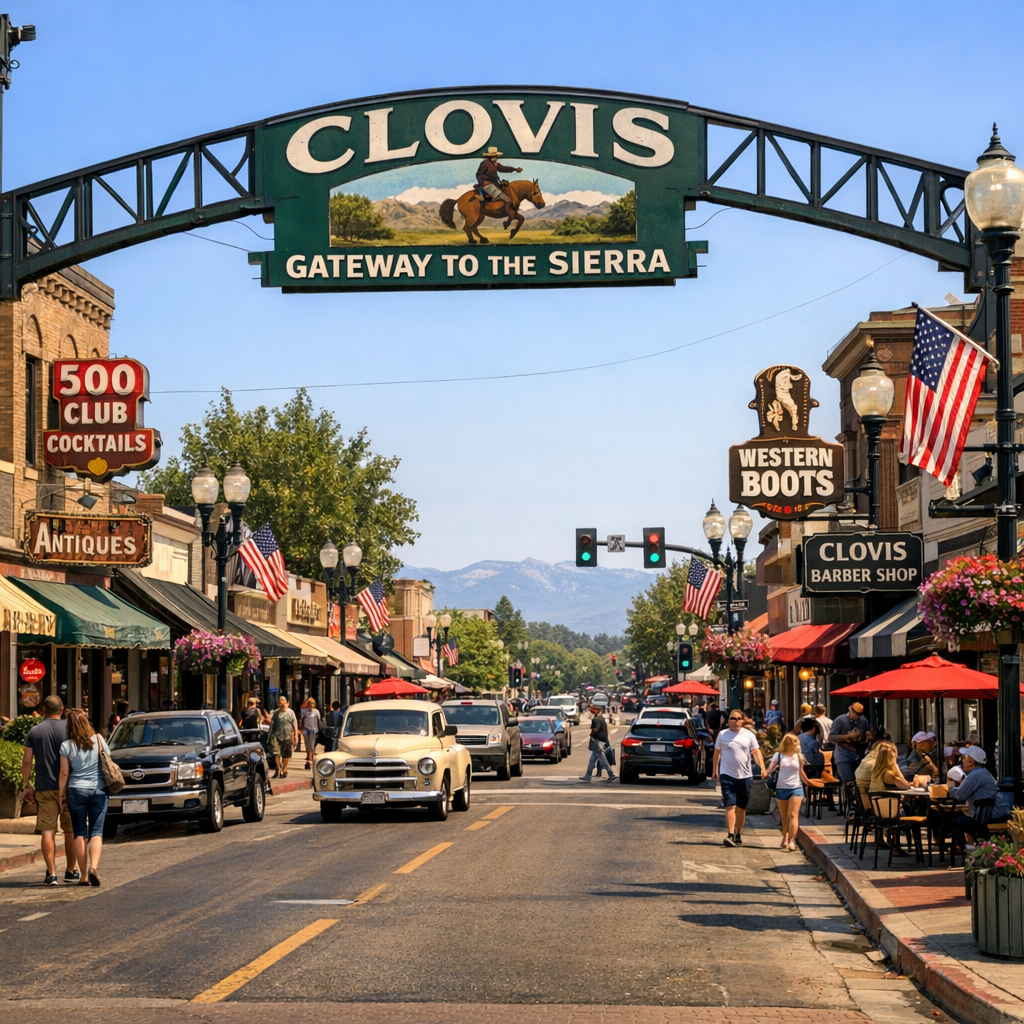
Clovis is undergoing steady economic shifts—with clear opportunities for entrepreneurs, existing local businesses, and job seekers. Here’s a look at what’s driving growth, where demand is rising, and what entrepreneurs should watch.
Key Industries Anchoring Growth
Health care and social assistance lead in employment, followed by educational services and retail trade. These sectors account for the largest shares of workers in the city. Utilities, public administration, and information industries offer higher pay in comparison, signaling areas with potential for professional expansion.
Major employers like Clovis Unified School District, Clovis Community Hospital, and large retail chains underpin much of the city’s economic stability.
Rising Opportunities for Local Business and Commercial Real Estate
Commercial real estate metrics in Clovis—average lease rates, sale prices, and cap rates—show a market that’s active and increasingly competitive. Demand is steady across retail and industrial spaces, especially in newer business parks.
Small business opportunities are prominent in sectors where consumer demand outstrips market supply: specialty food stores, grocery retailers, and clothing shops. These gaps point to real potential for entrepreneurs to fill locally underserved niches.
Trends and Challenges for Entrepreneurs
Self-employment is a notable part of Clovis’s workforce—over 11 percent of workers are self-employed. This points to a culture of entrepreneurship, but also signals challenges: access to capital, competition, and securing suitable commercial space.
Unemployment is relatively low—around 3.8 percent as of mid-2026—and declining, outperforming many peer cities. Still, workforce development, especially in health and tech fields, remains important to sustaining business growth.
Areas to Watch for New Ventures
- Retail & Food Services: With demand strong for groceries and specialty food, new shops or boutique stores could do well.
- Medical & Professional Services: Medical office space is growing fast. Providers and support services may find good location options in newer commercial corridors.
- Mixed-Use and Downtown Old Town: The historic Old Town area is seeing strong consumer interest, blending preserved architecture with new eateries, boutiques, and offices.
- Commercial Real Estate Investment: Industrial parks like Dry Creek and the Research & Technology Park are housing development that supports advanced manufacturing and tech industry expansion.
Tips for Local Entrepreneurs
First, assess local demand gaps—look where demand far exceeds supply. Second, consider collaboration with the city’s economic development office; incentives may be available, especially for projects in industrial parks or health-related services. Third, location matters: proximity to main thoroughfares and growing neighborhoods can make a big difference.