

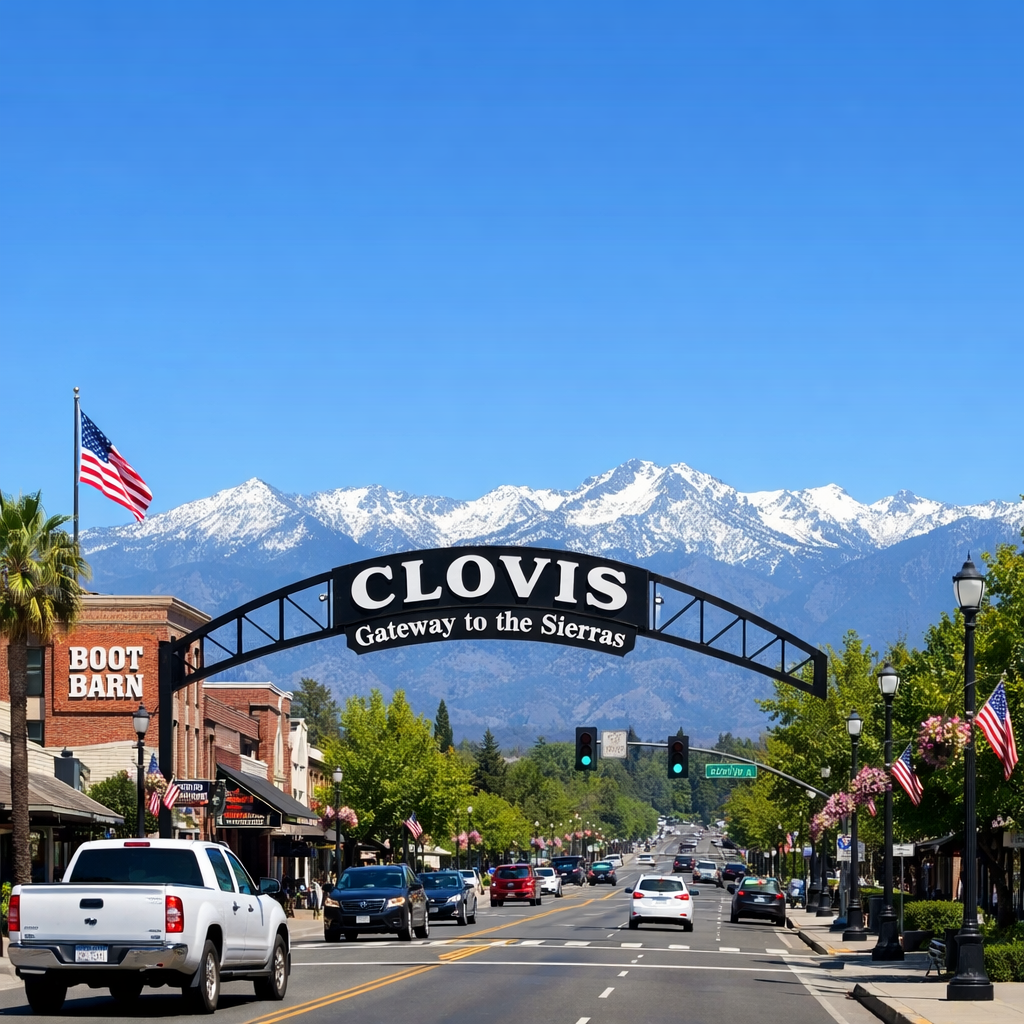
Clovis, California, experiences a mid-latitude steppe climate, characterized by hot, dry summers and mild, wet winters. Understanding these patterns can help residents prepare for seasonal changes and environmental challenges.
Seasonal Overview
Summer
Summers in Clovis are notably hot and arid. Average high temperatures peak in July at approximately 98.8°F (37.1°C), with minimal rainfall averaging 0.04 inches. The low humidity during this period can make the heat more bearable, but it’s essential to stay hydrated and limit outdoor activities during peak heat hours.
Winter
Winters are mild, with average low temperatures around 41.4°F (5.2°C) in December. Most of the annual rainfall occurs between November and March, with March being the wettest month, averaging 2.2 inches of precipitation. Snowfall is rare in Clovis, though nearby Sierra Nevada mountains offer winter sports opportunities.
Environmental Considerations
Drought
Clovis faces a very high risk of drought. The Upper Dry watershed, encompassing Clovis, has experienced drought conditions in 72% of weeks since 2000, with 22% of those weeks classified as Extreme or Exceptional drought. Residents should be mindful of water usage and adhere to local water conservation guidelines.
Wildfire
Approximately 75% of buildings in Clovis are at risk of wildfire, with the risk level classified as very high. The proximity to the Sierra National Forest and brushy foothill terrain increases this risk, especially in northeast Clovis. It’s crucial to maintain defensible space around properties and stay informed about local fire safety measures.
Heat
The number of extremely hot days in Clovis is projected to increase. Around 1990, residents experienced about 7 days per year with temperatures above 104.2°F. By 2050, this number is expected to rise to approximately 41 days annually. Preparing for heat waves by ensuring access to cooling centers and staying hydrated is essential.
Conclusion
By understanding Clovis’s climate patterns and associated environmental risks, residents can take proactive steps to safeguard their health and property. Staying informed and prepared is key to thriving in our unique climate.